Caramelized Portuguese Custard Tarts
Golden caramelized Portuguese custard tarts with a crispy sugar top and creamy vanilla custard filling. Perfect for special occasions and dessert lovers.

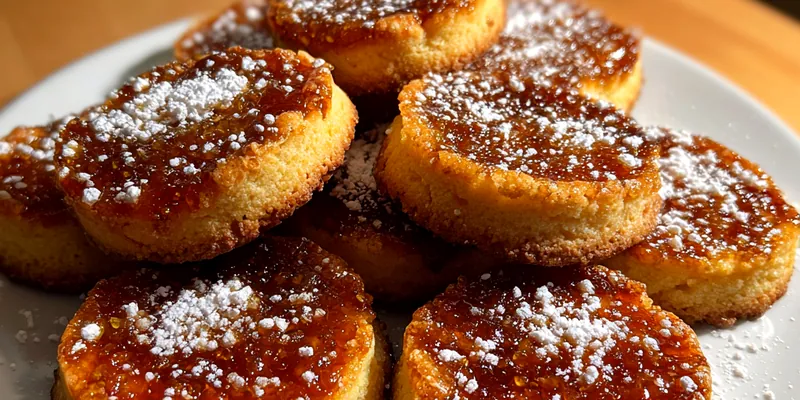
The Art of Perfect Custard
Creating silky smooth custard requires careful temperature control and constant attention. The key is heating the milk mixture slowly and tempering the eggs properly to prevent curdling. Whisking continuously while cooking ensures a lump-free, creamy texture that sets beautifully when baked.
The vanilla bean and lemon zest infusion adds depth and complexity to the custard. While extract can substitute for vanilla bean, the real thing provides those beautiful flecks and more intense flavor. The lemon zest brightens the richness without making the custard taste citrusy.
💡 Professional Tip
Strain your custard through a fine-mesh sieve after cooking to ensure absolutely no lumps. This extra step guarantees restaurant-quality smoothness in every tart.
Frequently Asked Questions
Yes! Bake the tarts completely and store in the refrigerator for up to 2 days. Add the caramelized sugar topping just before serving for the best texture and presentation.
Use your oven's broiler set to high. Place tarts on the top rack and watch carefully - they caramelize in 1-2 minutes. Rotate the pan for even browning.
While homemade custard is best, you can use high-quality store-bought vanilla custard or pastry cream. Look for brands with natural ingredients and enhance with vanilla extract and lemon zest.
The custard wasn't cooked long enough to activate the cornstarch. It should coat the back of a spoon and hold its shape. Also ensure you're using the correct ratio of liquid to thickener.
Freeze unbaked filled tarts for up to 1 month. Bake directly from frozen, adding 5-10 minutes to baking time. Don't freeze after caramelizing as the sugar topping will become soggy.
Standard muffin tins work perfectly, or use 3-inch tart molds. The depth should be about 1-1.5 inches to get the right custard-to-pastry ratio.
Blind bake the pastry for 5 minutes before adding custard, prick the bottoms well with a fork, and make sure your oven is properly preheated to 400°F.
Absolutely! Try adding orange zest, cinnamon, or a tablespoon of liqueur like Grand Marnier to the custard. Chocolate custard tarts are also delicious - add 60g melted dark chocolate.
Recipe Troubleshooting Guide
Custard Curdling
Problem: Custard becomes lumpy or separated
Solution: Temper eggs slowly by adding hot liquid gradually while whisking. Cook over medium heat, not high. If it curdles, immediately strain and whisk vigorously off heat.
Burnt Sugar Top
Problem: Sugar caramelizes unevenly or burns
Solution: Apply even layer of sugar, keep torch moving constantly in circular motions. For broiler method, watch constantly and rotate pan every 30 seconds.
Pastry Shrinkage
Problem: Puff pastry shrinks during baking
Prevention: Keep pastry cold until ready to use, don't stretch it when pressing into molds, and let it rest in the fridge for 15 minutes before filling.
Custard Not Setting
Problem: Custard remains too liquid after baking
Recovery: Bake longer until edges are set and center has slight jiggle. Ensure custard was properly thickened on stovetop before baking. Check oven temperature accuracy.
Overly Sweet
Problem: Tarts taste too sweet
Prevention: Reduce sugar in custard by 25g, use less caramelizing sugar on top, or add extra lemon zest for balance. The caramelized notes should be slightly bitter to offset sweetness.
Flavor Balance Issues
Too Sweet: Add more lemon zest or a pinch of salt to custard
Too Salty: Ensure you're using unsalted butter and minimal salt
Bland: Use real vanilla bean instead of extract, increase lemon zest, or add a splash of rum
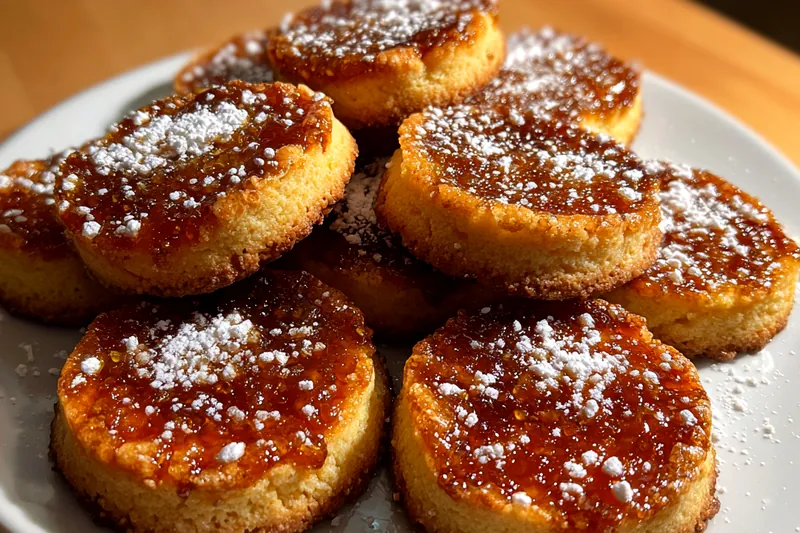
Selecting Quality Ingredients
The quality of your dairy makes all the difference in custard tarts. Use full-fat whole milk and heavy cream for the richest, most luxurious texture. Low-fat alternatives will result in thin, watery custard that lacks body and flavor depth.
Fresh eggs with bright yellow yolks create the most beautiful golden custard. Room temperature eggs incorporate more easily into the mixture. If possible, choose organic or free-range eggs for superior flavor and color in your finished tarts.
Essential Ingredient Notes
- Vanilla Bean: Real vanilla bean provides incomparable flavor and those beautiful specks. Split lengthwise and scrape out seeds. Save the pod to make vanilla sugar.
- Puff Pastry: Choose all-butter puff pastry if available - it provides superior flavor and flakiness. Keep it cold and work quickly to maintain layers.
- Egg Yolks: Separate eggs carefully - any white in the yolks can affect texture. Save whites for meringues or other recipes. Fresh yolks create richer, more golden custard.
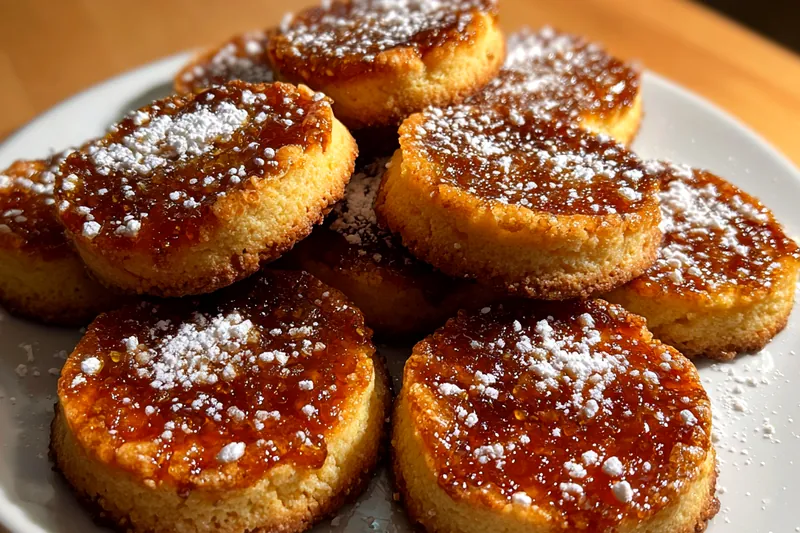
Mastering the Caramelization
The signature caramelized top is what transforms these from ordinary custard tarts into something extraordinary. The sugar needs to melt completely and develop deep amber color with slightly bitter notes that balance the sweet custard. Too light and you miss the flavor complexity; too dark and it becomes acrid.
Using a kitchen torch gives you the most control, allowing you to caramelize right to the edges without overheating the custard. Move in steady circular motions and watch for the sugar to bubble and darken. The process takes 30-60 seconds per tart once you develop the technique.
Perfect Caramelization
Sprinkle sugar in an even layer - about 1 teaspoon per tart. Hold torch 2-3 inches away and keep it moving. Look for deep golden brown with some darker spots for best flavor.
Caramelized Portuguese Custard Tarts
📋 Ingredients
For the Custard Filling
- 320g frozen puff pastry, thawedAll-butter variety preferred
- 30g melted butterFor brushing pastry shells
- 60g extra sugar for caramelizingCreates the signature crust
- Powdered sugar for dustingFinal decorative touch
For the Pastry and Topping
- 480ml whole milkFull-fat for richest custard
- 240ml heavy creamAdds luxurious texture
- 6 large egg yolksCreates golden color and richness
- 150g granulated sugarSweetens and helps set custard
- 40g cornstarchThickens without eggs getting grainy
- 1 vanilla bean, split and scrapedOr 2 tsp vanilla extract
- Zest of 1 lemonBrightens the rich custard
- Pinch of saltEnhances overall flavor
Instructions
Prepare Custard Base
In a medium saucepan, combine milk, cream, vanilla bean and seeds, and lemon zest. Heat over medium heat until just steaming (do not boil). Remove from heat and let steep for 10 minutes. Strain out vanilla bean and lemon zest.
Make Custard Filling
In a large bowl, whisk together egg yolks, sugar, cornstarch, and salt until smooth and pale yellow. Slowly pour the warm milk mixture into the egg mixture while whisking constantly. Return to saucepan and cook over medium heat, stirring constantly, until thickened (about 5-7 minutes).
Prepare Pastry Shells
Preheat oven to 400°F (200°C). Roll out puff pastry and cut into 12 circles slightly larger than your tart molds. Press into greased muffin tin or tart molds. Brush with melted butter and prick bottoms with a fork.
Fill and Bake
Pour custard into prepared pastry shells, filling about 3/4 full. Bake for 20-25 minutes until pastry is golden and custard is set but still slightly jiggly in center. Let cool completely in pan.
Caramelize and Finish
Sprinkle tops generously with sugar. Use a kitchen torch to caramelize until deep golden brown, or place under broiler for 1-2 minutes watching carefully. Let cool 5 minutes, dust with powdered sugar, and serve.
Recipe Notes & Tips
Storage
Store baked tarts (before caramelizing) in an airtight container in the refrigerator for up to 2 days. Add caramelized sugar topping just before serving for best texture.
Serving Suggestions
Serve at room temperature or slightly warm. Pair with espresso or port wine for an authentic Portuguese experience. Fresh berries make an excellent accompaniment.
Variations
Try chocolate custard by adding melted dark chocolate, or coffee custard with instant espresso powder. Orange zest can replace lemon for a different citrus note.